About ERaNS NextGen ™
International Conference on Environmental Research and Nuclear Sciences
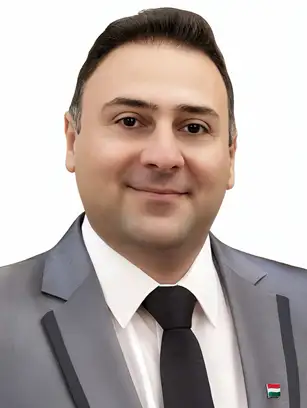
Message from the Conference Chair
❝Scientific progress does not happen in isolation❞
“Today’s young scientists will shape tomorrow’s solutions”. ERaNS NextGen is more than a conference; it is an international platform where talented young and early-career researchers, together with established scientists and experts, come together to learn, connect, and drive the scientific discoveries of tomorrow. Our mission at ERaNS NextGen is to provide a welcoming international forum where emerging researchers can exchange ideas, present their work, strengthen their practical skills, build professional networks, and establish collaborations that will endure well beyond this event.
I believe meaningful scientific progress is built through cooperation, knowledge exchange, and the encouragement of emerging talent. When we bring together new ideas, diverse disciplines, and different perspectives, we create the conditions for genuine discovery. Together, we can advance scientific knowledge and help shape a safer, cleaner, and more sustainable future.
I encourage each of you to make the most of this opportunity by engaging actively throughout the conference, sharing your ideas with confidence, listening with curiosity, challenging assumptions, and building meaningful connections with colleagues from around the world.It is my great pleasure to welcome you to ERaNS NextGen, and I wish you all an inspiring, productive, and successful conference.
Amin Király (Ph.D.)
Senior Research Fellow, University of Pannonia
Conference Chair
+10 Cross-border
Multiculture perspectives
Hands-on
Practical training and certificates
100+ Participants
National and international
Mentorship
Career growth
ERaNS NextGen mission
Learn, connect, and build the future together
ERaNS NextGen provides a global platform primarily for the early-career research generation, helping participants gain experience and develop professional networking skills. It brings scientists, engineers, policymakers, and professionals together to exchange knowledge, strengthen collaborations, and explore innovation in nuclear sciences, environmental radioactivity, and interdisciplinary applications. Through this exchange, the Conference contributes to addressing global challenges related to energy, the environment, health, and safety while promoting the sustainable and responsible development of nuclear technology.
ERaNS NextGen vision
A safer, cleaner, more sustainable world
ERaNS NextGen aims to become a leading international forum centered on empowering the younger generation, integrating scientific disciplines, encouraging pioneering solutions, and fostering cross-border collaboration. Its long-term goal is to advance nuclear science and its applications for a safer, cleaner, and more sustainable world.
Programme highlights
Four days of exchange, learning, and collaboration
The conference combines a focused scientific programme with practice-oriented training and public engagement. The detailed schedule and speaker information will be published as planning progresses.
Opening and plenaries
Opening remarks and invited international speakers will frame the key scientific and societal questions.
Thematic sessions
Researchers will share results and ideas through thematic presentations and a poster session, with a special focus on young researchers.
Hands-on workshops
Small-group, equipment- and laboratory-based training will focus on alpha spectrometry and related nuclear measurement techniques.
Mentoring and outreach
Mentoring, a project-idea pitch, a collaboration roundtable, and an open public lecture will extend the impact beyond the sessions.
Organizing Committee of the 1 st ERaNS NextGen Conference
Dr. Amin Király
Dr. Király holds a PhD in Environmental Science and has extensive expertise specializing in environmental researches, radioecology, radiochemistry and radiation protection. His research focuses on environmental radioactivity, radionuclide transport, radiation dosimetry, NORM materials, and radiological risk assessment.
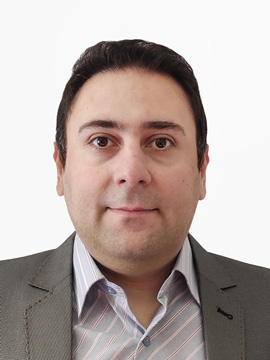
Senior Research Fellow
Project Leader & Conference Chair, University of Pannonia
Prof. Dr. András Gelencsér, DSc.
Professor András Gelencsér is head of the Air Chemistry Research Group of the Hungarian Academy of Sciences, and a professor at the University of Pannonia, where he served as Rector from 2015 to 2024. His research focuses on atmospheric aerosols, air pollution, and climate change, offering important perspectives on environmental sustainability and the challenges facing our planet.
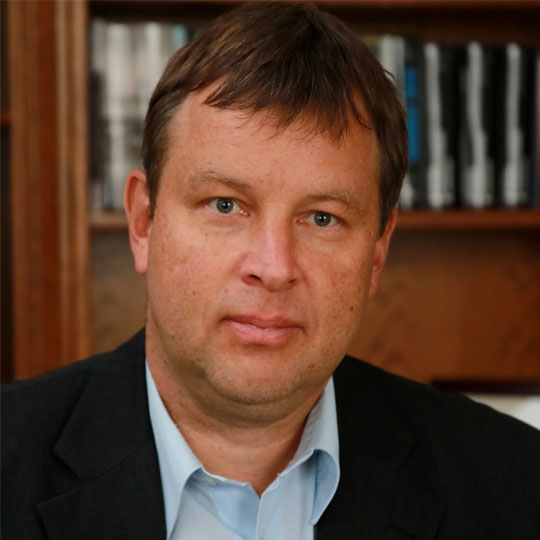
Professor
Head of the Research Group Hungarian Academy of Sciences & Prof. at University of Pannonia
Prof. Dr. József Kaizer, DSc
Professor József Kaizer is a professor of chemistry and head of the Research Group of Bioorganic and Biocoordination Chemistry at the University of Pannonia. His research focuses on metal-containing enzyme models, oxidation reactions, and catalytic systems inspired by biological processes.
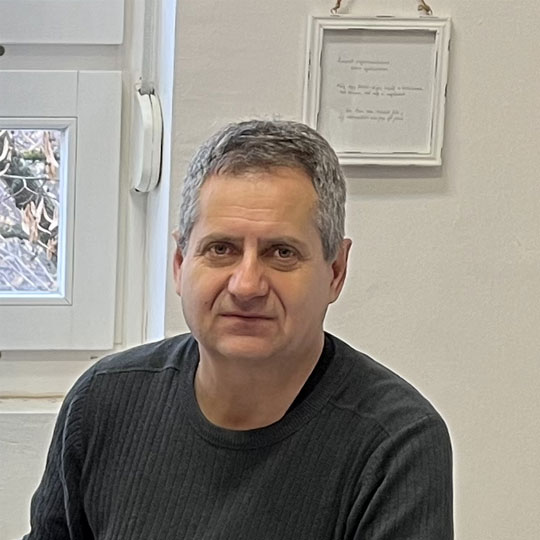
Professor
Head of the Research Group of Bioorganic and Biocoordination Chemistry at the University of Pannonia
Dr. Sándor Németh
Dr. Sándor Németh holds a PhD in Chemical Engineering and has extensive expertise in process engineering, technological systems, simulation, and engineering design. His research focuses on modeling of chemical process and units, modeling and control of polymerization reactors and development of data processing methods.
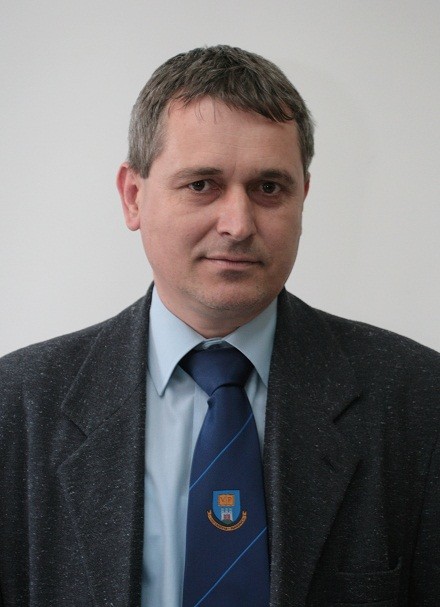
Associate Professor
Dean of the Faculty of Engineering at the University of Pannonia
Scientific Committee of the 1 st ERaNS NextGen Conference
Local Members
Dr. Viola Somogyi
Dr. Viola Somogyi holds a PhD and specializes in environmental engineering, wastewater treatment, and sustainability, with a focus on process modelling and circular-economy solutions.

Dr. Endre Gábor Domokos
Dr. Endre Gábor Domokos holds a PhD in chemical engineering and specializes in environmental modelling, GIS-based spatial analysis, wastewater treatment, and life-cycle assessment.
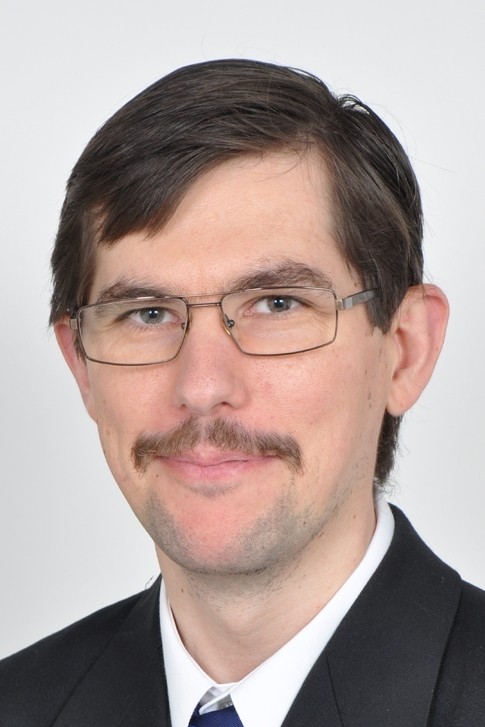
Associate Professor
Program Coordinator, Competence Center Leader at the University of Pannonia
Dr. habil. Edit Tóth-Bodrogi
Dr. habil. Edit Tóth-Bodrogi specializes in radiochemistry and radioecology, with a focus on environmental radioactivity, radiation measurement, and radiological risk assessment.
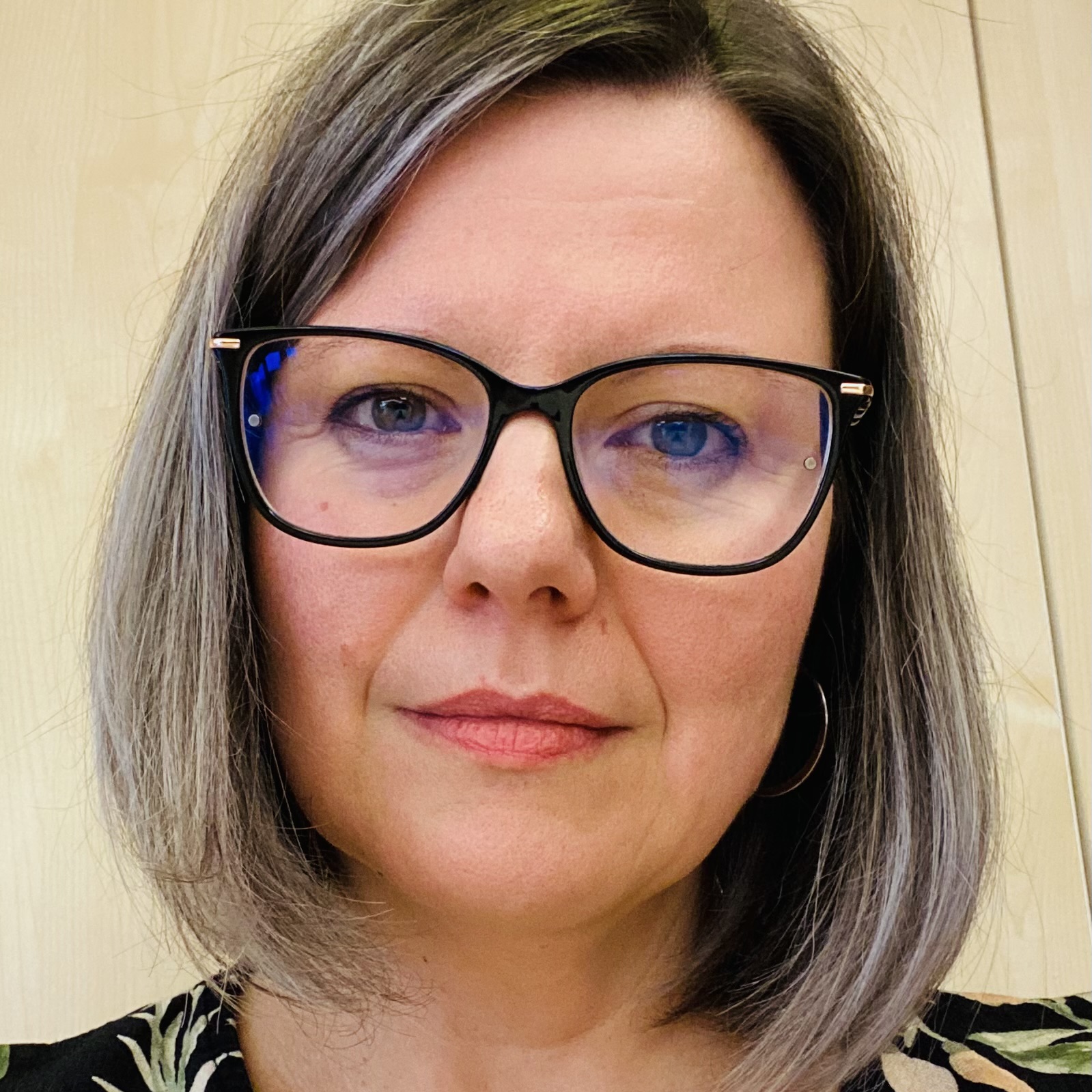
Dr. Hegedűs Miklós
Dr. Hegedűs Miklós is a senior research fellow at University of Pannonia, specializes in radiochemistry and radioecology, with a focus on environmental radioactivity, radiation measurement, and radiological risk assessment.
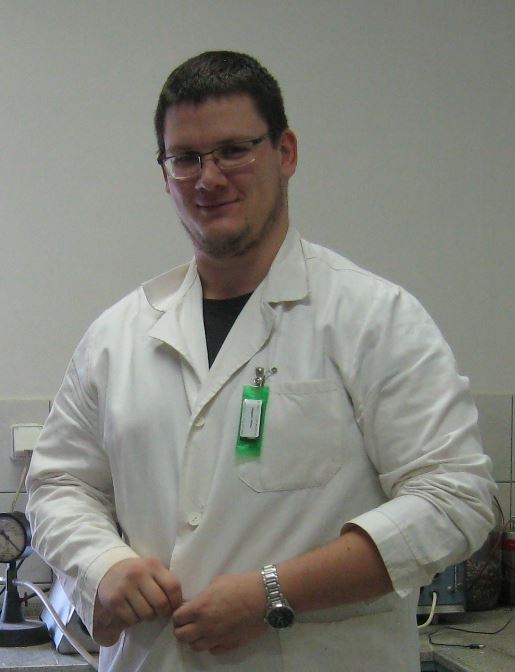
Dr. Anett Utasi
Dr. Anett Utasi is an associate professor & director at the University of Pannonia. Her teaching and research focus on environmental assessment, environmental impact studies, environmental law, and environmental sociology. Combining expertise in environmental management with leadership in practice-oriented education

Associate Professor
Director of Dual Training Centre and Ajka Campus, University of Pannonia
International Members
Dr. Eka Djatnika Nugraha
Dr. Eka Djatnika Nugraha is a senior researcher whose his research focuses on environmental radioactivity, radon, thoron, and radiochemistry. He serves as Indonesia’s alternate representative to the United Nations Scientific Committee on the Effects of Atomic Radiation (UNSCEAR).
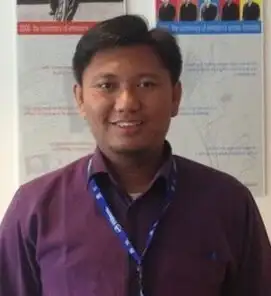
Associate Professor
Senior Researcher, National Research and Innovation Agency (BRIN), Indonesia
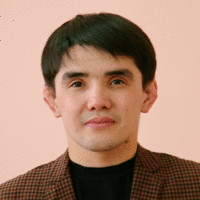
Dr. Zhanat Baigazinov
Dr. Zhanat Baigazinov holds a PhD and with over 20 years of experience in radioecology, radiation safety, and environmental radiation research has contributed to major international research projects and more than 60 scientific publications.
Dr. Maksym Gusyev
Dr. Maksym Gusyev holds a PhD in Environmental Sciences and specializes in hydrological modelling, groundwater and surface-water systems, radionuclide transport, environmental tracers, and climate-related flood and drought research.
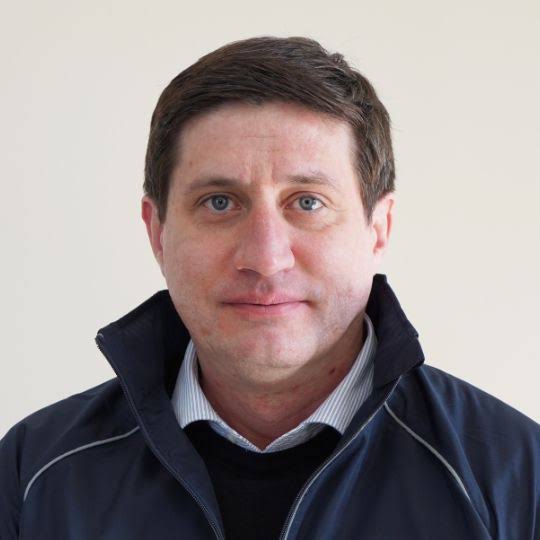
Project Associate Professor
Institute of Environmental Radioactivity, Fukushima University, Japan
doc. Ing. Jozef Sabol, DrSc.
Professor Jozef Sabol is an associate professor and head of the Department of Crisis Management at the Police Academy of the Czech Republic in Prague. His research focuses on radiation protection, the safe use of radiation and nuclear technologies, and protection against chemical, biological, radiological, and nuclear threats.
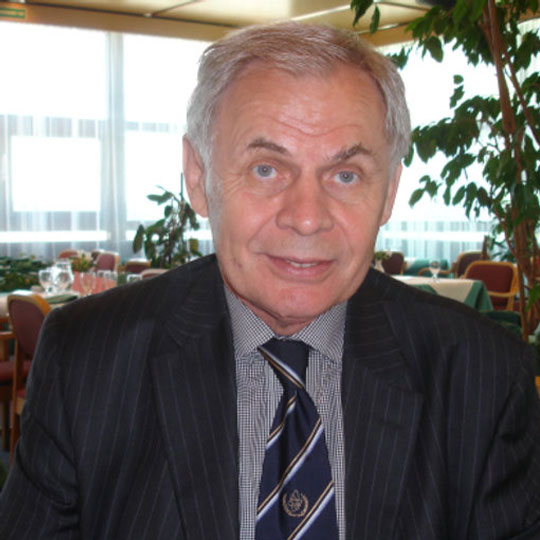
Associate Professor
Head of Department of Crisis Management, PA CR in Prague, Czech Republic
Who should attend?
ERaNS NextGen is designed especially for MSc and PhD students, postdoctoral researchers, early-career professionals, and young scientists who want to develop both scientific and professional skills.
The conference also welcomes established scientists, engineers, policymakers, industry and research professionals, and members of the interested general public through the open lecture.
Planned outcomes
- International research connections and collaboration opportunities
- Practical skills development through laboratory workshops
- Official training certificates for successful workshop participants
- Recognition for the three best young researchers
- Open-access abstracts or conference publication, plus recorded materials
Environmental research + nuclear sciences
ERaNS NextGen topics board
Contributions are welcome across the conference topic tracks. Interdisciplinary studies and real-world applications are encouraged throughout the programme.
Explore TopicsInternational collaboration and impact
Connecting Hungarian capacity with the international research community
ERaNS NextGen will bring domestic researchers and young scientists together with leading international experts in environmental radioactivity, radiochemistry, and nuclear measurement technology. The event is intended to support knowledge transfer, long-term research collaboration, and the international visibility of Hungarian research infrastructures and expertise. Its scientific themes and methods are aligned with the broader environmental research context of European research infrastructures, including: